

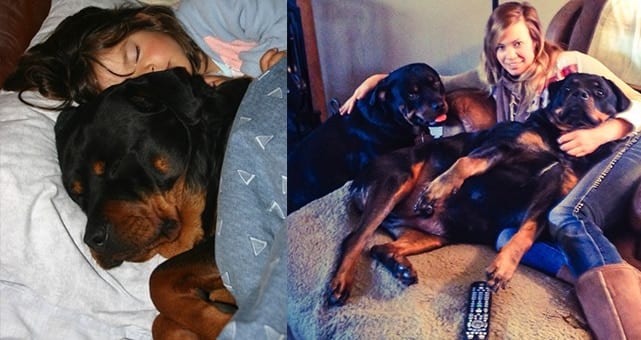
Rottweiler Characteristics: Temperament, Traits and Care

Characteristics of Rottweilers

Rottweilers are confident, intelligent working dogs known for their strength, loyalty, and calm watchfulness. Those qualities can make them excellent companions, but they also mean owners must provide thoughtful socialization, consistent training, exercise, and responsible management. Understanding genuine Rottweiler characteristics helps families look beyond stereotypes and decide whether the breed suits their home.

Every dog is an individual. Genetics, early experiences, health, training, and environment all influence behavior, so breed tendencies should guide expectations rather than serve as guarantees.

Rottweiler History and Working Heritage

The Rottweiler developed in Germany as a versatile working dog associated with driving cattle, protecting property, and pulling carts. The breed’s name is connected with the town of Rottweil. As traditional livestock work declined, Rottweilers found new roles in police work, search activities, dog sports, service work, and family companionship.

This history helps explain the modern breed’s physical power, willingness to work, awareness of its surroundings, and close attachment to trusted people. A Rottweiler generally does best when included in daily life and given constructive tasks rather than left without guidance or stimulation.

Physical Characteristics of a Rottweiler

Size and Build

Rottweilers are medium-large, muscular dogs with a strong frame and balanced movement. Adult males commonly stand about 24 to 27 inches at the shoulder, while females are typically around 22 to 25 inches. Healthy weight varies with sex, height, structure, and body condition; a veterinarian can assess whether an individual dog is carrying excess weight.

Coat and Markings

The breed has a short, dense black coat with clearly defined rust or mahogany markings. A seasonal undercoat may be more noticeable in some climates. Weekly brushing usually manages loose hair, although heavier shedding may require more frequent grooming.

Strength and Maturity

Rottweilers are powerful even before they are fully mature. Physical growth may outpace emotional maturity, which is why calm leash skills, handling exercises, and household manners should begin during puppyhood.

Rottweiler Temperament and Personality

Loyal and People-Oriented

Many Rottweilers form deep bonds with their families and prefer to stay close to household activity. Loyalty should not be confused with a need to encourage guarding. A stable companion learns that the owner will manage visitors and unfamiliar situations.

Confident and Observant

A well-adjusted Rottweiler is often calm and attentive rather than constantly reactive. Some are naturally reserved with strangers. Socialization should teach neutral, composed behavior—not force the dog to enjoy contact with everyone.

Intelligent and Trainable

Rottweilers can learn quickly and often enjoy structured work. Their intelligence also means inconsistent rules can create confusion. Reward-based training, clear cues, and short sessions help build reliable behavior without intimidation.

Playful at Home

Behind the serious appearance, many Rottweilers are affectionate, humorous, and playful with people they trust. Individual energy levels differ, but most benefit from a combination of walks, training, scent games, and interactive play.

Are Rottweilers Good Family Dogs?

A responsibly bred or carefully evaluated Rottweiler can be a devoted family companion. However, size and strength make adult supervision essential around children. Children should never climb on a dog, approach while it is eating, or disturb it while resting. The dog must always have a quiet place to move away.

Compatibility with cats or other dogs varies. Gradual introductions, management, and individual assessment matter more than broad promises about the breed. Seek professional guidance if either animal shows fear, guarding, or escalating tension.

Training and Socialization

Begin training as soon as the dog arrives. Prioritize recall, loose-leash walking, settling, polite greetings, leaving objects, releasing items, and comfortable veterinary handling. Use food, toys, access to activities, and praise to reinforce the behavior you want.

Good socialization exposes a puppy gradually to people, surfaces, sounds, vehicles, grooming, and calm animals while keeping the experience positive. Flooding a frightened puppy or forcing greetings can make fear worse. Our Rottweiler training guides offer practical exercises for daily life.

Growling is communication, not disobedience. If a Rottweiler freezes, guards resources, lunges, or repeatedly reacts to people or animals, consult a qualified reward-based trainer or veterinary behavior professional early.

Exercise and Mental Enrichment

Healthy adult Rottweilers generally need purposeful activity every day, but the correct amount depends on age, fitness, weather, and medical history. Walks with opportunities to sniff, obedience practice, tracking games, swimming where safe, and controlled play can provide a balanced routine.

Avoid repetitive high-impact exercise for growing puppies. Senior dogs may need shorter walks, softer surfaces, and more scent-based enrichment. Sudden exercise intolerance, limping, or reluctance to move warrants veterinary advice.

Grooming and Everyday Care

Brush the coat weekly, check ears and skin, keep nails short, and introduce tooth brushing with dog-safe products. Feed a complete diet appropriate for the dog’s life stage and maintain a lean body condition. Because large dogs can become difficult to handle when uncomfortable, cooperative grooming and examination practice is especially useful.

Common Rottweiler Health Concerns

Rottweilers may be affected by hip or elbow dysplasia, certain heart conditions, eye problems, cruciate ligament injuries, obesity, and some cancers. This does not mean every Rottweiler will develop these conditions. Responsible breeding, preventive veterinary care, suitable exercise, and healthy weight management can improve quality of life.

Prospective puppy buyers should request documented health testing for both parents rather than relying on appearance or verbal assurances. Owners can explore our Rottweiler care and health resources and discuss individual risks with their veterinarian.

Common Myths About Rottweilers

“Rottweilers Are Naturally Aggressive”

No breed label predicts an individual dog’s behavior. Rottweilers are powerful and may be protective or reserved, so breeding, socialization, training, and management are important. Problems should be evaluated based on observable behavior, not stereotypes.

“A Rottweiler Needs a Dominant Owner”

Dogs do not need intimidation or physical confrontation. Clear routines and reward-based teaching are safer and more effective. Harsh handling can increase fear, avoidance, or defensive behavior.

“Rottweilers Are Outdoor Dogs”

Although sturdy and active, Rottweilers are social animals that usually want to live with their families. Extended isolation can contribute to boredom and behavior problems. Outdoor activity should be balanced with companionship, rest, and protection from extreme weather.

Is a Rottweiler Right for You?

The breed may suit someone prepared for lifelong training, daily activity, veterinary expenses, shedding, and the responsibility of managing a strong dog. Before adopting, check local housing and insurance rules and consider how the dog will be cared for during travel or emergencies.

A Rottweiler may not be the best match for a household that cannot provide consistent time, safe containment, supervision, and training. Meeting stable adult Rottweilers and speaking with reputable breeders or foster-based rescues can help establish realistic expectations.

Frequently Asked Questions

Are Rottweilers easy to train?

They are intelligent and capable learners, but consistency matters. Short reward-based sessions and clear household rules usually produce the best results.

How much exercise does a Rottweiler need?

Needs vary by age and health. Most healthy adults benefit from daily walks, mental enrichment, and structured play rather than relying on one intense workout.

Can a Rottweiler live with children?

Many do successfully, but supervision and management are essential. Compatibility depends on the individual dog, the children’s behavior, training, and the home environment.

Final Thoughts

The defining Rottweiler characteristics are strength, confidence, intelligence, loyalty, and a willingness to work. When matched with responsible ownership, humane training, appropriate exercise, and preventive care, these qualities can make the Rottweiler a deeply rewarding companion.