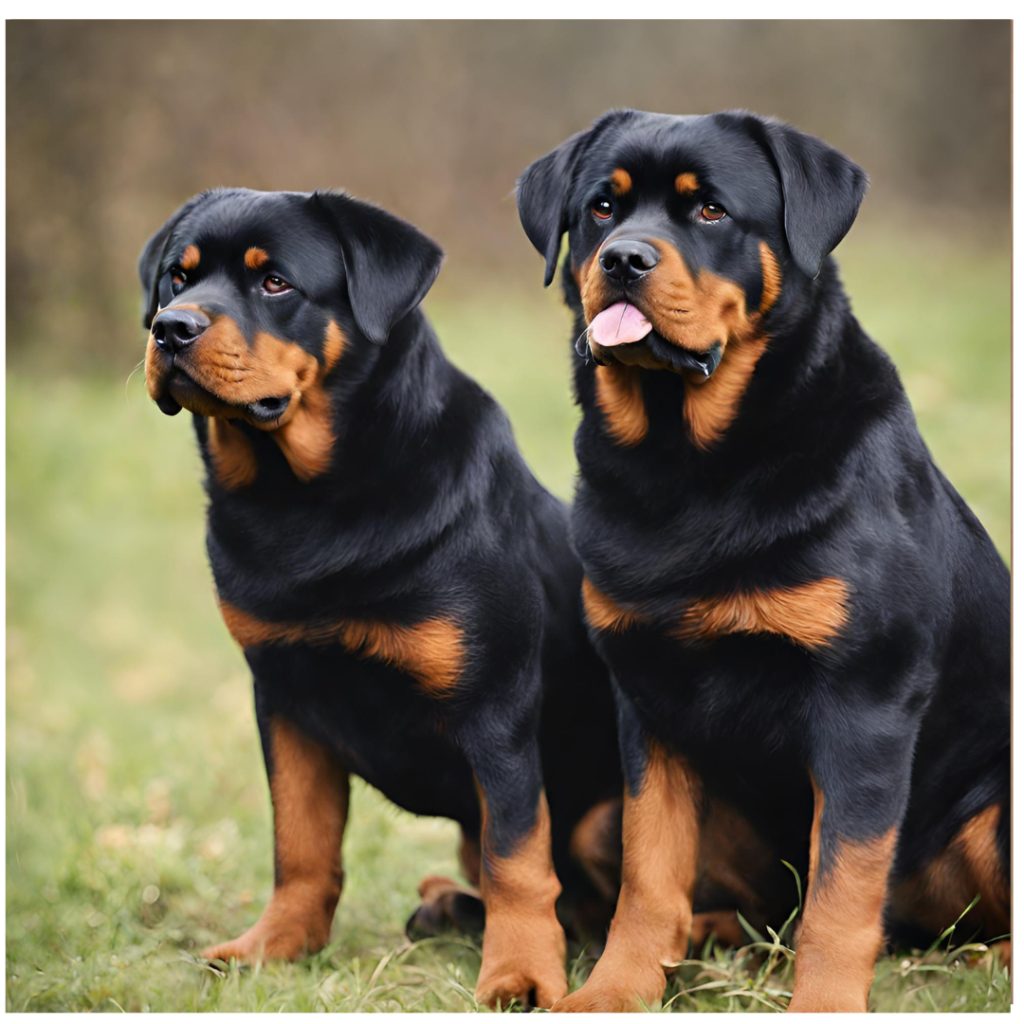

Rottweiler Shepherd mix training starts with clear communication and realistic expectations. Being a powerful mixed-breed dog does not automatically make a puppy aggressive, and a breed label cannot tell you exactly how an individual will behave.
Do not wait until nine months to begin. Gentle, age-appropriate lessons and household routines can start when your puppy comes home. If you are adopting an older dog, begin with an easy routine while you learn about their existing skills and needs.
Build a Routine Before Asking for More
Arrange predictable opportunities for toileting, food, activity and rest. Use safe barriers and supervision to prevent access to things your dog should not chew or eat. Management makes learning easier; it is not an admission that training has failed.
For toilet training, take your puppy to the intended place regularly and reward after they finish there. Do not expect to read their mind or assume they understand an open door. The AKC’s toilet-training guide explains the importance of routine and timely rewards.
Use a Marker to Identify the Right Action
A short word such as “yes,” or a clicker, can mark a behavior you want to reward. Establish its meaning by following it with a reward, then use it at the moment your dog does the action you are teaching.
For example, if you are rewarding a sit, mark when your dog sits and then give the reward. The marker is not the request to sit. Our clicker-training guide explains capturing, luring and shaping without confusing a marker with a cue.

Teach One Small Skill at a Time
Choose something useful and easy to observe: turning toward you, settling briefly on a mat or walking a few steps with a loose lead. Reward progress before asking for a longer or more distracting version.
Once an action becomes predictable, introduce a consistent cue just before it happens. Avoid repeating several words and hoping your dog can work out which one matters.
You do not need a constantly changing menu of surprises. Use rewards your dog values and deliver them clearly. The AKC’s reward-training advice discusses matching the reward to the task and paying attention to timing.
Socialization Is Not Forced Interaction
Help your puppy experience ordinary sights, sounds and people at a comfortable pace. Watching calmly from a distance can be more useful than being placed in the middle of a crowded greeting.
Ask your veterinarian about suitable settings and puppy classes in light of vaccination status and local disease risk. The AVSAB puppy-socialization statement emphasizes early, appropriate experiences rather than waiting until the dog is older.
Allow space if your dog is worried. Do not force contact with children, visitors or other animals to prove they are friendly. Arrange supervision and separation as needed, and get help if interactions are difficult.
Do Not Rely on Your Puppy Copying You
Sitting on a chair yourself does not reliably teach a dog to sit on cue. Remaining calm may help you handle a situation thoughtfully, but it is not a complete training method.
Show the dog which specific response earns reinforcement and practice it in manageable steps. Before visitors arrive, for example, prepare a quiet space and a plan for rewarding comfortable behavior rather than expecting instant calm because you are calm.
Adjust the Plan When Learning Stalls
Ask whether the setting is too distracting, the task too difficult or the dog ready for a break. Return to a simpler step instead of escalating pressure. Our common training mistakes guide can help you troubleshoot.
For persistent fear, guarding, lunging or bite concerns, consult a qualified reward-based behavior professional. A sudden change also warrants veterinary advice. The goal is safe, understandable communication with your individual dog, not a promise of perfect obedience based on their parent breeds.